POSTED AT
READ TIME
6 min
Design feels powerful, until you’re asked about outcomes.
Not opinions. Not taste. But Actual impact.
The first time I was asked this, I froze a little.
↳ How do you measure clarity?
↳ How do you quantify trust?
↳ How do you put numbers on understanding?
For a long time, I thought design impact had to show up as a clean percentage in sales.
Revenue up. Conversions up. Click-through up.
But that’s not always how it works.
And honestly, that expectation misses something important.
The problem with “Design ROI”
When stakeholders ask about ROI, what they’re really asking is:
“Did this help the business move forward?”
That’s fair.
But design rarely works like paid ads, where you turn a dial and immediately see numbers shift.
Brand design, positioning, communication clarity, these operate upstream.
They influence:
How quickly people understand what you do
How confidently your team sells
How aligned internal decisions become
How clearly your value is communicated
Those shifts don’t always appear instantly on a dashboard but they show up everywhere else.
And research supports this.
According to a widely cited study by the Design Management Institute, design-driven companies outperformed the S&P 500 by 219% over a 10-year period.
McKinsey’s “Business Value of Design” report found that companies that integrate design deeply into their strategy see higher revenue growth and total shareholder returns.
The pattern is consistent.
The shift that changed my thinking
I stopped asking:
“Did this design increase sales?”
And started asking:
Did sales conversations become easier?
Did presentations land faster?
Did stakeholders align quicker?
Did confusion reduce?
Did decision-making speed improve?
That’s when I began noticing something.
Clients would say:
“This makes sense now.”
“This is clearer.”
“We can finally explain this properly.”
“This feels aligned.”
That’s friction disappearing.
And friction is expensive.
Design outcomes vs. Design output
This is where most designers get stuck.
We measure:
Screens designed
Logos delivered
Brand guidelines completed
But those are outputs.
↳ Outcomes look different.
They look like:
Faster internal approvals
Shorter sales cycles
Better quality leads
Stronger investor confidence
Clearer messaging across teams
Gartner has long emphasized that clarity in messaging and positioning directly impacts buyer confidence and decision speed in B2B environments. When buyers understand faster, they move faster.
Good design accelerates understanding.
How to actually measure design impact
If you want something practical, here’s where I look:
1. Alignment speed
How long does it take stakeholders to agree after seeing the work?
↳ If debates reduce and direction becomes obvious, design is working.
2. Sales enablement
Are sales teams using the new deck confidently?
Are objections easier to handle?
Are conversations more structured?
↳ Clarity improves persuasion.
3. Messaging consistency
Is the brand being described the same way across:
Website
Sales calls
Social
Investor decks
↳ Consistency builds trust.
4. Quality of questions
Before good design:
“What do you guys actually do?”
↳ After good design:
“How soon can we start?”
That shift matters.
5. Internal confidence
Teams that feel clear move differently.
↳ They pitch stronger.
↳ They negotiate better.
↳ They commit faster.
That internal shift often precedes external results.
The quiet truth about design
Good design doesn’t always close the deal.
But it clears the path for it.
↳ It removes confusion.
↳ It sharpens the story.
↳ It reduces hesitation.
↳ It helps people decide with confidence.
Those are outcomes.
They may not show up instantly as revenue spikes.
But over time, they compound.
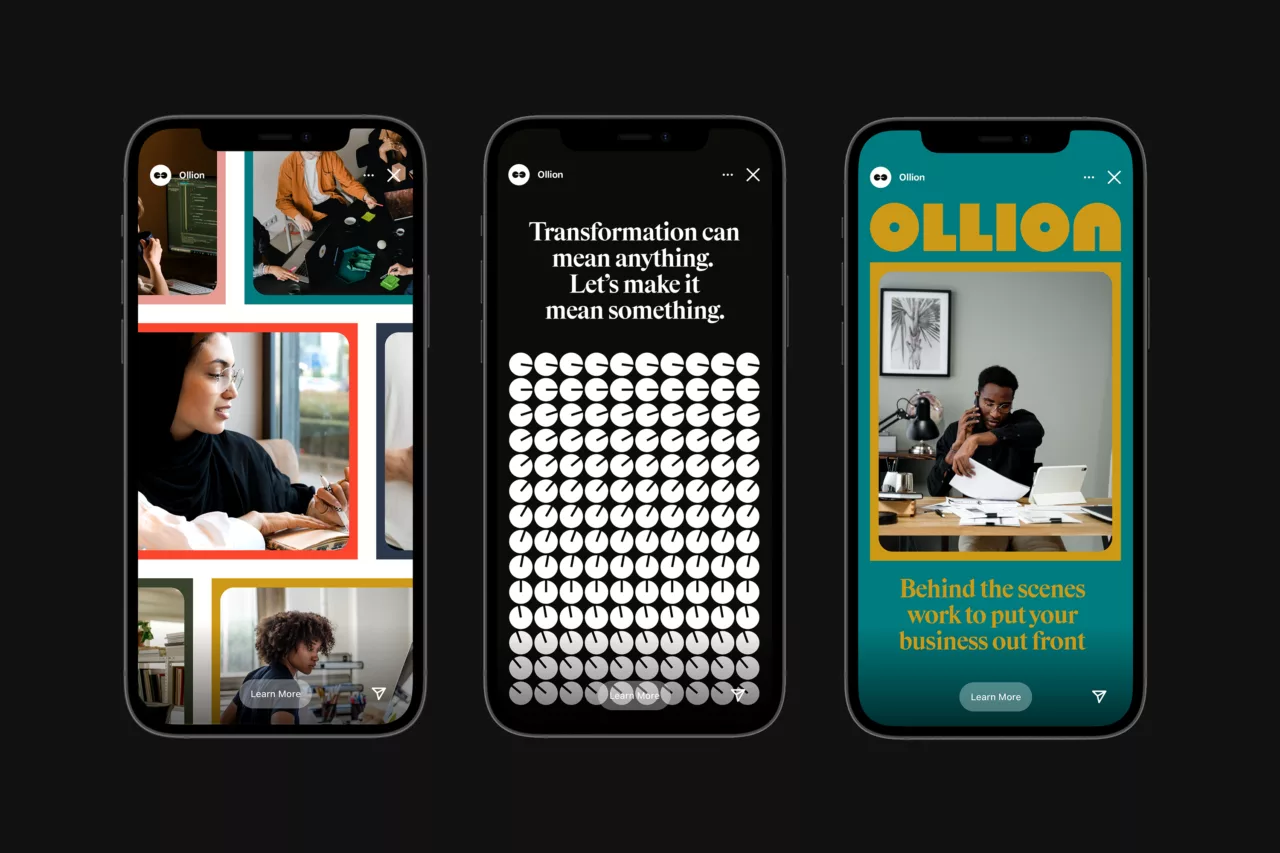
I’ve seen this firsthand while working on large-scale brand systems like Ollion, where the real shift wasn’t visual polish; it was alignment. When messaging became clearer and teams started speaking the same language, decisions moved faster. Conversations became sharper. Confidence increased across markets.
That kind of clarity is hard to measure in a single metric.
But you can feel it in momentum.
Why this matters more than ever
In crowded markets, most businesses don’t lose because they’re bad. They lose because they’re unclear. When positioning is fuzzy, when messaging is scattered, when brand systems are inconsistent; buyers hesitate. And hesitation kills momentum.
↳ Design, when done right, reduces hesitation.
That’s impact.
Final thought
↳ If you’re a designer, stop trying to defend aesthetics. Start tracking clarity.
↳ If you’re a founder, stop asking whether the logo “looks premium.”
Ask whether your business is easier to understand than it was yesterday. Because design isn’t about decoration. It’s about alignment. And alignment moves businesses forward.
If this resonated and you want to continue the conversation, I share more thoughts on brand, clarity, and business thinking on LinkedIn.
You can join the discussion there.
——
About the author:
Kutub Raja is a Lead Brand Designer who helps founders and startups articulate value and measure real design outcomes. If you’re navigating brand clarity or business alignment, you can book a free consultation call to explore your next steps.