
POSTED AT
READ TIME
3 min
When the Prime Minister tells India to work from home, suddenly everyone has an opinion.
Some celebrate. Some panic. Some calculate the fuel savings. Anupam Mittal, founder of Shaadi.com, did something simple. One remote day a week for his team. Fewer cars. Real intent. Win-win-win, as he put it.
I read that and smiled.

Because I've been doing this since 2018.
This was never a productivity argument
People debate remote vs office like output is the only thing that matters.
It's not a productivity argument. It's an energy argument.
When you feel right, you design right. When your morning is calm, your thinking is sharp. When you're not drained by a commute before you've opened a single file, you show up differently to the work.
I've had my most creative years working from home. My calmest mornings. My clearest thinking.
The commute I skipped became a walk that cleared my head. The rushed breakfast became a proper one with my family. The office small talk I missed became deep, focused work that actually moved things forward.
What Modi's push actually means
The advisory is about fuel. About foreign exchange. About India importing less.
Fair ask.
But here's what nobody's saying, this moment is forcing companies to confront a question they've been avoiding since 2022:
Is the office mandatory because the work requires it? Or because the habit requires it?

For a lot of organisations, the honest answer is the second one.
The office became a proxy for trust. Presence became a proxy for performance. And somewhere in that logic, the actual quality of thinking, the thing that produces good work, got deprioritised.
What 7 years of WFH actually taught me
I'm a brand designer. My work lives in systems, strategy, and visual thinking. None of that requires a specific chair in a specific building.
What it requires is the right conditions for thinking.
Here's what I've learned since 2018:
Your environment shapes your output more than your talent does. A calm morning produces better work than a stressed commute followed by a noisy open plan office. Deep work doesn't happen in 20-minute windows between meetings. It happens in long, uninterrupted stretches, which remote work protects better than any office I've been in.
Collaboration doesn't need proximity. It needs clarity. When you're forced to write things down, document decisions, and communicate intentionally, teams actually get better at working together, not worse.
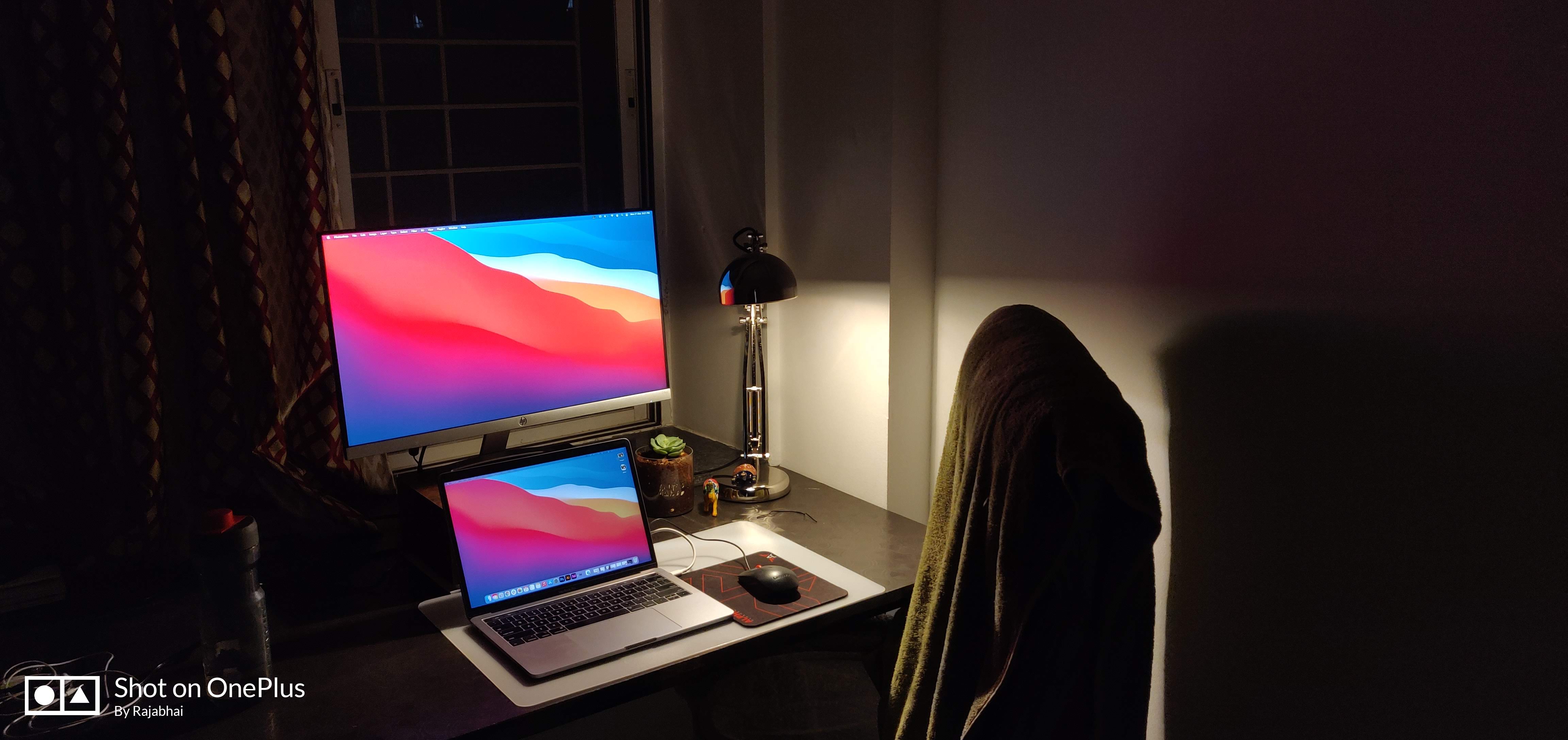
The designers I know who do their best work aren't the ones with the best office. They're the ones with the best conditions.
The real question
Modi's advisory will fade from the news cycle in a week.
But the question it raised won't.
Does your work environment right now support your best thinking?
If you're a founder reading this, that question applies to you and your team.
If you're a designer, it applies to where you do your best work, and whether you're protecting that space.
Because the work you produce is only as good as the state you're in when you produce it.
Small move. Real intent. Sometimes that's enough.
—-
I've been working remotely since 2018, long before it was a policy or a Prime Minister's advisory. If this resonated, I share more thoughts on design, work, and the thinking behind the work on LinkedIn.